501(c)(3) Nonprofit — Veterans & First Responders
Mission Isn't Over. It Evolves.
MEMI-based trauma support is the foundation of GPP. We connect veterans and first responders with practical support, peer connection, renewed purpose, and opportunities to serve.
Scroll
Stand Behind Those Who Serve
They Answered the Call.
Help Make Their Next Step Possible.
A service member, veteran, or first responder should have a practical way to ask for support after trauma. MEMI is the foundation of GPP's trauma-help mission. Your generosity can help build access, prepare practitioners, and connect people with a community that continues to stand with them.
$3,000,000
Campaign goal
Campaign goal
December 15, 2026
Campaign target date
Campaign target date
Ways to Stand With GPP
Give through our existing donation page, explore a program sponsorship, or introduce GPP to a potential funding partner. Contact us about current priorities, available program information, and the scope of a proposed gift.
The amount above is our fundraising goal, not money already raised. The date is a campaign target, not a promise that everyone will be served by then.
No matching gift is currently advertised. Contact GPP before arranging a restricted gift or sponsorship. Availability and program costs should be confirmed with the team.
Donor information & stewardship → MEMI research & its limits →
From GPP
Recent News & Activity
Philippines MEMI training builds a practitioner pathway
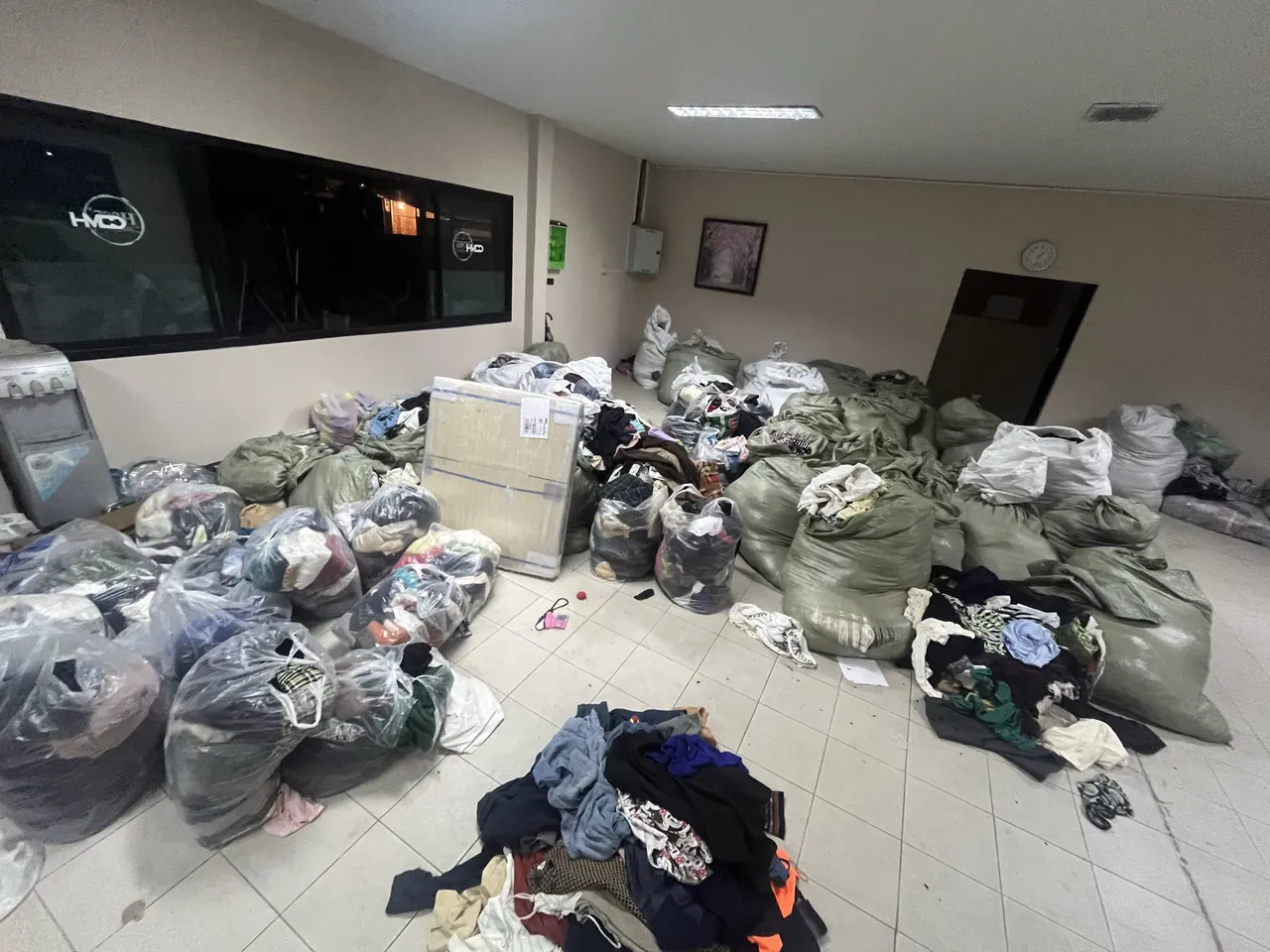
Humanitarian support for displaced families in Burma
Global Provision Project — Where Service Continues
People First
Purpose-Led
Ethical Delivery
Measurable Impact
Dignity-Centered
About GPP
The Gap After Service
Many veterans and first responders leave structured environments and enter systems that are fragmented, disconnected from everyday needs, or disconnected from purpose. The challenge is rarely capability — it is readiness, reintegration, and meaningful direction.
GPP addresses these gaps upstream — before crisis — through people-first, dignity-centered programs designed to meet people wherever they are in their journey.
We bring together MEMI-based trauma support, peer connection, practical skills, and mission-oriented structure, with an emphasis on participation that is measurable, ethical, and scalable.
01Dignity over dependency
02Consent over coercion
03Structure over chaos
04Service over self
05Ethics over optics
Our Story →
"Mission does not end when service ends. For many who have served, the challenge is not capability — it is readiness, reintegration, and meaningful direction."
— Global Provision Project, INC.
Who We Serve
Programs
Six Pathways.
One Continuum.
Each program stands alone and is designed to deliver measurable outcomes. Together, they form a pathway from readiness → stability → purpose → service.
MEMI-Based Trauma Support & Practitioner Pathway
Multichannel Eye Movement Integration is the foundation of GPP's trauma support, with separate participant and practitioner pathways.
Learn More
Equine Connection
Guided activities with horses centered on communication, boundaries, teamwork, and confidence.
Learn More
Canine Connection
Routine, responsibility, and connection through structured canine programming. Measurable daily habits — sleep, movement, consistency.
Learn More
Suicide Awareness & Prevention
Connection before crisis. Upstream resilience through peer readiness, gatekeeper training, and trusted referral pathways.
Learn More
Humanitarian Response Corps
CONUS and OCONUS disaster relief. Veteran-led teams deploying logistics, medical, comms, and aid — non-combat, mission-driven.
Learn More
Our Approach
Stability.
Growth.
Mission.
GPP brings together MEMI-based trauma support, practical activities, peer connection, and renewed service. Each role has defined boundaries, informed participation, and appropriate next-step resources.
01
People First
People before performance. We begin with the person's goals, readiness, and consent before inviting them into activities, new skills, or service.
02
Ethical Boundaries
Clear scope, informed consent, and defined referral pathways. GPP operates with transparency appropriate for vulnerable populations.
03
Purpose & Continuation
Support that leads to contribution. People who stabilize re-engage, and then help others do the same — creating a multiplier effect across communities.
04
Upstream Intervention
Connection, structure, and meaningful direction prevent the isolation that precedes crisis — reaching people before the breaking point.
Impact
Measurable Impact.
Ethical Delivery.
6Program Pathways
5Populations Served
CONUS
+OCONUSMission Reach
+OCONUSMission Reach
501(c)(3)Registered Nonprofit
We track participation, completion, participant feedback, next-step engagement, practitioners trained, and missions executed — while protecting dignity and privacy through aggregate, de-identified reporting.
Get Involved
A Place For You
At GPP.
Apply for Support
Seeking MEMI-based trauma support, practical transition, or renewed service? Send an initial contact request to ask about current options and next steps.
Apply Now →
Volunteer
Offer your skills, time, or mission experience. Program-specific roles with training, clear scope, and safety standards.
Volunteer →
Our Story
The Challenge Isn't Capability
For many veterans and first responders, the greatest challenge after service is not a lack of skill — it is the loss of structure, identity, mission, and team. Systems designed to help are often fragmented, disconnected from everyday needs, or disconnected from the reality of purpose-driven service culture.
Global Provision Project was built to bridge that gap. We provide structured, ethical pathways that support stability first, then growth, then service — honoring the person before asking them to perform.
"We address these gaps upstream — before crisis — through people-first, dignity-centered programs."
Common Gaps We Address
- ▸ Disruption to everyday routines and unresolved stress
- ▸ Loss of identity, mission, and team structure
- ▸ Difficulty translating skills into civilian career paths
- ▸ Isolation that precedes crisis rather than follows it
- ▸ Reentry barriers for incarcerated veterans
"Mission does not end when service ends. Capability is not the challenge — readiness, reintegration, and meaningful direction are."
— Global Provision Project
Who We Serve
Our Values
What We Stand For
01
Dignity Over Dependency
Programs are designed to build capacity and autonomy — not create reliance on GPP.
02
Consent Over Coercion
Participation is voluntary. People can ask questions, decline an activity, or ask to stop.
03
Structure Over Chaos
Clear protocols, defined scope, and consistent boundaries create safety for support.
04
Service Over Self
GPP exists to serve — not to grow the organization for its own sake.
05
Ethics Over Optics
We operate with transparency, clear governance, and ethical safeguards appropriate for vulnerable populations.
06
Impact With Accountability
We track participation, outcomes, and continuity while protecting privacy and dignity.
Integrated Ecosystem
An Integrated Program
Ecosystem
Each GPP program stands alone — delivering real outcomes independently. Together, they form a continuum from readiness to purpose to service.
MEMI
MEMI-based trauma support and preparation to support others.
Explore
Equine Connection
Regulation, trust, and confidence through non-verbal horse interaction.
Explore
Canine Connection
Routine, responsibility, and connection through canine partnership.
Explore
Suicide Prevention
Connection before crisis — upstream peer readiness and education.
Explore
Humanitarian Response Corps
CONUS/OCONUS disaster relief and aid for those ready to serve again.
Explore
Programs
Six Pathways.
One Continuum.
Each program stands alone and delivers measurable outcomes. Together, they form a pathway from readiness to stability to purpose and renewed service.
Not sure where to start? Begin with the program that best matches your immediate needs and readiness.
MEMI-Based Trauma Support & Practitioner Pathway
Multichannel Eye Movement Integration (MEMI) is the basis of GPP's trauma support. Separate participant and practitioner pathways support access, preparation, and responsible program growth.
Full Program Details
Equine Connection
Guided, consent-first activities with horses offer opportunities to practice attention, boundaries, communication, and shared responsibility. Participants build experience at their own pace.
Full Program Details
Canine Connection
Restores routine and connection through structured interaction with trained dogs. The program emphasizes measurable habits — sleep, movement, attendance, and daily structure — supported by canine partnership.
Full Program Details
Suicide Awareness & Prevention
Focuses on connection before crisis. Strengthens upstream resilience through education, peer readiness, and trusted referral pathways — so warning signs are recognized earlier and people feel supported to seek help.
Full Program Details
Humanitarian Response Corps
Builds veteran-led teams for CONUS/OCONUS disaster relief and humanitarian aid in austere environments. Strictly non-combat — using service-ready skills for tangible humanitarian impact.
Full Program Details
Transition & Renewed Purpose
Practical routines, skills, peer connection, and opportunities to contribute after service.
Full Program Details
Program
🐴 Equine Connection
Guided, consent-first activities with horses centered on communication, boundaries, attention, and shared responsibility.
Veteran and equine partnerships
GPP's new partnership with VALOR Texas connects with veteran support and equine program opportunities. Ask GPP about current activities and access.
Overview
Why Horses?
Equine Connection uses guided activities with horses to create opportunities to practice attention, communication, boundaries, and trust. Veterans and first responders can take part at a pace that respects their comfort, experience, and goals. Participation is voluntary, with animal-handling guidance and clear activity boundaries.
Who This Program Serves
- Veterans experiencing disruption to everyday routines, isolation, or loss of purpose
- First responders — Law Enforcement, Fire, EMS, and Dispatch
- Participants seeking readiness and confidence in a clearly scoped setting
Core Program Components
- Orientation + Safety + Goals — Participant readiness, informed consent, and individualized goal-setting before any animal interaction
- Ground-Based Interaction — Primarily ground-based; riding is optional and introduced only when appropriate
- Facilitated Sessions — Structured activities focused on boundaries, trust, communication, and presence
- Cohort or 1:1 Tracks — Individual or group tracks based on readiness and program availability
Outcomes & Impact
- Participation, confidence with activities, and self-reported practical skills
- Increased confidence, self-efficacy, and boundary awareness
- Reduced isolation through healthy, structured connection
- Foundation for next-step engagement in other GPP programs or external services
Ethical Boundaries & Safeguards
- Animal welfare standards maintained; skilled handlers present at all sessions
- No forced exposure — pacing is participant-led at all times
- Clear referral pathways for additional support when needs exceed scope
- Participation is consent-first; GPP is clearly scoped unless licensed professionals are onboarded for specific services
We track participation and next-step engagement while protecting privacy through aggregate, de-identified reporting.
Program
🐕 Canine Connection
Guided interaction with trained dogs offers opportunities to practice responsible care, everyday routines, communication, and connection.
2026 shelter partnerships
During 2026, GPP has worked with regional no-kill shelters on grounding sessions and basic canine-care classes, with an emphasis on routine, responsible care and connection.
Overview
Structure Through
Partnership
Leaving structured service can change the rhythm of everyday life. Canine Connection offers practical activities around responsible canine care, movement, communication, and consistent routines. Participants practice useful habits and shared responsibility with guidance appropriate to the activity.
Who This Program Serves
- Veterans rebuilding routine after leaving service
- First responders experiencing isolation or motivational decline
- Participants working to establish consistent daily structure and connection
Core Program Components
- Readiness Screening + Orientation — Consent process, expectations, and safety orientation before engagement
- Structured Dog-Handling Activities — Consistent, guided interaction with trained dogs under staff oversight
- Routine-Building Plan — Weekly accountability structure tracking sleep, movement, attendance, and engagement
- Optional Family Education — Support and boundary education for family members where appropriate
Measurable Outcomes
- Improved routine establishment and daily follow-through
- Increased motivation, energy, and healthy connection
- Reduced isolation and improved mood participant feedback
- Stronger foundation for next-step program engagement
Ethical Boundaries & Safeguards
- Strict animal welfare and safety rules enforced at all sessions
- No emotional support or service animal guarantees are made
- Clear referral pathways when needs exceed program scope
- Volunteer roles are clearly scoped unless licensed and onboarded for that scope
Program
🛡️ Suicide Awareness
& Prevention
Connection before crisis. Strengthening upstream resilience through education, peer readiness, and trusted referral pathways — so warning signs are recognized earlier and people feel supported to seek help.
IMMEDIATE CRISIS?
Call 911 or dial/text 988 — Veterans: press 1 after dialing.
Overview
Upstream.
Before Crisis.
Asking for help can be difficult. GPP's Suicide Awareness & Prevention pathway emphasizes peer connection, education, and awareness of outside resources. It is not a crisis-response service; urgent needs belong with the immediate resources listed on our Crisis Resources page.
Who This Program Serves
- Veterans at any stage of their post-service journey
- First responders — LE, Fire, EMS, Dispatch
- Families, peers, and team leaders supporting someone who has served
- Unit leaders wanting to build peer readiness within their teams
Core Program Components
- Education Sessions — Warning signs, protective factors, destigmatizing language, and the science of intervention
- Peer Readiness Training — How to listen, how to refer, when to escalate, and what to say without making it worse
- Resource Navigation — Connections to VA, local providers, crisis services, and peer support networks
- Follow-Up Connection Plan — Structured check-ins and community-building activities to sustain protective relationships
Outcomes & Impact
- Increased help-seeking behavior and reduced stigma
- Improved peer confidence to recognize warning signs and act early
- Stronger community connection and safety networks
- Greater awareness of local crisis resources and referral pathways
Ethical Boundaries & Safeguards
- Volunteers are not crisis counselors — clear scope is defined and maintained
- Escalation protocols are always in place; crisis resources are always visible
- Confidentiality maintained with clear exceptions for imminent risk
- Licensed professionals onboarded for any specialized scope
If You Don't Know What to Say
→ "I'm not safe right now."
→ "I'm thinking about hurting myself."
→ "Can you help me make a plan for the next hour?"
Supporting someone else:
→ "I'm here. You're not alone."
→ "Let's call 988 together."
→ "I can stay with you while we get help."
Program
⚡ MEMI-Based Trauma Support &
Practitioner Pathway
Multichannel Eye Movement Integration (MEMI) is the basis of GPP's trauma support. Our participant and practitioner pathways connect individual participation with the preparation needed to support others.
How It Works
The Science of
Eye Movement Integration
MEMI stands for Multichannel Eye Movement Integration, a guided eye-movement approach. It is the basis of GPP's trauma support. Ask the team about the process, practitioner qualifications, readiness, and current participation options. Early research and its limits are explained on our MEMI research page.
GPP's MEMI pathway centers on informed participation, a clear explanation of the process, participant-led pacing, and defined practitioner responsibilities. The team discusses readiness, scope, and next steps with each person. No result is guaranteed, and participation does not replace care or services someone already receives.
The Multiplier Model
The MEMI practitioner pathway is how GPP aims to extend its trauma support into more communities. Interested participants can ask about preparation, training requirements, supervision, and the responsibilities of supporting others.
PARTICIPATE
→
TRAIN
→
SUPPORT OTHERS
Who This Program Serves
- Veterans experiencing unresolved trauma, disruption to everyday routines, or chronic stress responses
- First responders seeking clearly scoped, practical participation tools
- Peer leaders and facilitators seeking to expand their support capacity
- Mental health professionals, first responder agencies, and veterans' groups seeking scalable training tools
Core Program Components
- Structured MEMI Sessions — 10-step protocol for guided eye movement integration in safe, facilitated settings
- Preparation and Participation Practices — Bottom-up (body-first) tools: breath, sleep hygiene, movement, and community anchors
- Integration Practices — Ongoing daily practices to maintain practical habits between sessions
- Practitioner Pathway — Training, supervision, ethics, and preparation for those called to support others
Practitioner Scholarship Program
GPP seeks support for MEMI access and practitioner preparation for veterans' groups, first responder agencies, and communities affected by trauma. Ask GPP about current scholarship opportunities, agency partnerships, and international service priorities.
Outcomes & Impact
- Participant feedback on the usefulness and accessibility of MEMI-based trauma support
- Increased stability, functional capacity, and daily engagement
- Expanded community support through trained and supervised practitioners
- Responsible expansion of MEMI-based trauma support with clear program boundaries
Ethical Boundaries & Safeguards
- Defined roles for non-clinical peer support and for clinical services delivered by appropriately licensed professionals
- Clear boundaries, informed consent, and escalation protocols at every session
- Practitioner supervision requirements and ongoing ethics training
- Referral pathways to licensed professional care when needs exceed MEMI scope
Hope, With Honest Evidence
MEMI is the basis of GPP's trauma support. Read the early external research, its limitations, and the reporting priorities GPP aims to develop.
MEMI research & GPP reporting →Clinical Connections
Our Clinician Partners
GPP's clinician partnerships include HC Solutions LLC and Phoenix Behavioral Health & Wellness. These relationships connect our trauma-support mission with clinical expertise and professional training.
HC Solutions LLC
Training and consulting in stress, trauma, MEMI and first-responder support. Brian M. Simmons is a co-owner and MEMI practitioner and instructor.
Phoenix Behavioral
Health & Wellness
A behavioral health care partner based in Denison, Texas, serving the Texoma region. Explore its clinical services and care team.
Contact GPP about coordination, referrals and the scope of a proposed service. Clinical care and non-clinical peer support have distinct roles; care arrangements and practitioner qualifications should be confirmed before participation.
Learning From Practice
Peer-to-Peer Help Evaluation
GPP's collected session information supports the peer-to-peer help evaluation study with Dr. Mike Deninger, coordinated directly through Brian Simmons.
01GPP Session Information
→02Brian Simmons
→03Peer-to-Peer EvaluationDr. Mike Deninger
Evaluation helps us ask how support is delivered and experienced in real-world settings. Study outcome figures are not presented here. Public updates will distinguish session observations, participant feedback and formal study findings.
Real-World Sessions
Field Experience & Forthcoming Metrics
GPP has provided sessions and training in these settings. Preliminary activity accounts are linked below; detailed session measures and reviewed outcome metrics will follow.
Kerrville, Texas
Sessions involving survivors, first responders and volunteers.
Philippines
Sessions involving law enforcement and military participants.
Marietta, Oklahoma
GPP-sponsored first-responder training and class reporting.
Future reports will identify the reporting period, participation counts, measures used, follow-up timing and limitations where available. Public reporting will use aggregate information and protect participant privacy. No participant counts, improvement rates or clinical outcome claims are published in these cards.
Marietta in the News
GPP-Sponsored First-Responder Training
GPP sponsored first-responder training in Marietta, Oklahoma. Explore the local reporting and interviews about the Love County training.
News coverage and individual experiences are separate from measured program outcomes or formal study findings.
Philippines training update · Kerrville response and support
Continue Learning
Explore MEMI With Dr. Mike Deninger
Visit the MEMI website for background on the approach, its developer, professional learning and practitioner information.
MEMI Overview ↗Dr. Mike Deninger ↗Training Options ↗Resources & Reading ↗Practitioner Directory ↗GPP Research & Evidence
These links open external professional resources. GPP's evidence page explains the distinction between early research, personal accounts and GPP's own forthcoming reporting.
Crisis Resources
GPP is not an emergency service. If you are in immediate danger — call 911. This page provides direct pathways to the support you need, right now.
🆘 Immediate Danger?
If you are in immediate danger or someone else is, do not wait. Call emergency services right now.
Call 911 Now988Suicide & Crisis Lifeline
Veterans: Press 1
Veterans: Press 1
838255Veterans Crisis
Text Line
Text Line
911All Immediate
Emergencies
Emergencies
🎖️ Veterans & Military
- Veterans Crisis Line: Call 988, then press 1
- Veterans Crisis Text Line: Text 838255
- VA Mental Health: Contact your local VA medical center or VA provider directly
- VA Same-Day Mental Health Care: Walk into any VA medical center
🚒 First Responders
- Many agencies and unions have peer support or EAP (Employee Assistance Program) services — contact your union rep or HR
- Safe Call Now: 1-206-459-3020 (first responders, law enforcement)
- First Responder Support Network: Contact via your agency EAP
- If unsure, start with 988 or your primary care provider
🌐 Outside the U.S.
- Use your local emergency number
- Search "crisis line [your country]" for your national service
- International Association for Suicide Prevention: www.iasp.info/resources/Crisis_Centres/
👥 Supporting Someone Else
If you're with someone in crisis:
- Stay with them — don't leave them alone
- Say: "I'm here. You're not alone."
- Say: "Let's call 988 together."
- Help them remove access to means if safe to do so
- Call 911 if they are in immediate physical danger
If You Don't Know What to Say — Start Here
→ "I'm not safe right now."
→ "I'm thinking about hurting myself."
→ "I need someone to stay with me while I get help."
→ "Can you help me make a plan for the next hour?"
Safe Next Steps (If Not in Immediate Danger)
- 01 Contact a trusted person and tell them you need support today.
- 02 Remove or secure access to anything that could be used to cause harm.
- 03 Schedule an appointment with a clinician or primary care provider.
- 04 Consider a peer support group or structured program for ongoing stability.
When you're ready, GPP can help with the next step — structured programs that support regulation, transition, prevention, and purpose-driven service.
Volunteer
Serve With Purpose.
Support With Integrity.
Program-specific volunteer roles with training, clear boundaries, and safety standards. All volunteer roles are clearly scoped unless you are licensed and onboarded for that scope.
Choose Where to Serve
Select Your Program
Each program has specific volunteer roles, training requirements, and responsibilities. Select the program that matches your skills and readiness.
🐴 Equine Connection
Support facilitated sessions, assist with animal handling, help with orientation and logistics. Animal experience helpful but not required — training provided.
Volunteer: Equine Connection →🐕 Canine Connection
Support structured dog-handling activities, assist with routine-building accountability, and help with family education components.
Volunteer: Canine Connection →🛡️ Suicide Awareness & Prevention
Facilitate education sessions, provide peer support, assist with resource navigation. Clear escalation training and protocols provided for all volunteers.
Volunteer: Suicide Prevention →🌐 Humanitarian Response Corps
Deploy with veteran-led teams for CONUS/OCONUS disaster relief and humanitarian aid. Selection-based with readiness screening and mission training cycles.
Volunteer: Humanitarian Response Corps →⚡ MEMI
Support MEMI facilitation sessions and, if eligible, pursue the MEMI Practitioner Pathway for expanded support impact within your community.
Volunteer: MEMI →Transition & Renewed Purpose
Support practical next steps, skills, community connections, and renewed service.
Volunteer: Transition & Renewed Purpose →Volunteer Standards
All GPP volunteers follow safety, confidentiality, and scope-of-role standards. Volunteer roles are clearly scoped unless you are licensed and onboarded for that specific scope. GPP provides training, orientation, and supervision appropriate for each program.
Questions About Volunteering? Contact Us →
Apply
Choose Your
Program Entry Point
Start with an initial contact request. Share basic contact details and a general note so GPP can discuss current options and next steps. Please read the Privacy page before sending information.
⚠️ If you are in immediate danger, call 911. In the U.S., call or text 988. Applications are not monitored for crisis response.
Program Applications
Select a Program
🐴
Equine Connection
Guided activities with horses centered on communication, boundaries, and confidence.
Apply: Equine Connection →
🐕
Canine Connection
Routine-building, connection, and daily structure through canine partnership.
Apply: Canine Connection →
🛡️
Suicide Awareness & Prevention
Peer readiness, education, and upstream connection before crisis.
Apply: Suicide Prevention →
🌐
Humanitarian Response Corps
CONUS/OCONUS disaster relief and humanitarian aid deployment.
Apply: Humanitarian Response Corps →
⚡
MEMI Participant Pathway
MEMI-based trauma support with separate participant and practitioner pathways.
Apply: MEMI Trauma Support →
🐴
Transition & Renewed Purpose
Support practical next steps, skills, community connections, and renewed service.
Apply: Transition & Renewed Purpose →
⚡🎓
MEMI Practitioner Pathway
For those who have completed MEMI and want to train others — the multiplier model for community support.
Apply: MEMI Practitioner →Not sure which program is right for you? Contact us and we'll help you find the right entry point.
Global Provision Project
Support the Next Step
Help veterans and first responders connect with MEMI-based trauma support, practical activities, peer connection and renewed service.
What Your Gift Supports
Donations support GPP's mission through program coordination, MEMI practitioner preparation, equine and canine activities, participant resources and responsible humanitarian operations. Gifts also help sustain the administration and safeguards needed to deliver this work.
Global Provision Project Inc. is a Texas 501(c)(3) nonprofit. EIN: 33-4949561.
101 Main St. #16, Weston, Texas 75097
Give Through Autobooks
Use the secure donation form on this page, or open the same form in a new tab. Payment information is entered into Autobooks, not a GPP contact form.
Selecting this button loads Autobooks, a third-party payment service. Its terms and privacy information apply to the payment form.
Secure Donation Form
If the form does not display or a payment option is unavailable, open Autobooks directly.
Questions About a Gift?
Contact info@gpp.life or 214-994-8760 before arranging a restricted gift, sponsorship, donation of goods or a check by mail. Confirm current program availability and any gift conditions with GPP.
Apply
Canine Connection — Initial Request
Canine Connection — Initial Request
Request a conversation with GPP about this program. This is an initial contact request, not confirmation of enrollment. Please do not include diagnoses, medical records, or emergency details.
You can also email info@gpp.life or call GPP.
What happens next
A GPP team member reviews your request and contacts you about program availability, requirements, and next steps. Sending a request does not reserve a place or approve participation.
Apply
Suicide Prevention — Initial Request
Suicide Prevention — Initial Request
Request a conversation with GPP about this program. This is an initial contact request, not confirmation of enrollment. Please do not include diagnoses, medical records, or emergency details.
You can also email info@gpp.life or call GPP.
What happens next
A GPP team member reviews your request and contacts you about program availability, requirements, and next steps. Sending a request does not reserve a place or approve participation.
Apply
Humanitarian Response Corps — Initial Request
Humanitarian Response Corps — Initial Request
Request a conversation with GPP about this program. This is an initial contact request, not confirmation of enrollment. Please do not include diagnoses, medical records, or emergency details.
You can also email info@gpp.life or call GPP.
What happens next
A GPP team member reviews your request and contacts you about program availability, requirements, and next steps. Sending a request does not reserve a place or approve participation.
Apply
MEMI Participant Pathway — Initial Request
MEMI Participant Pathway — Initial Request
Request a conversation with GPP about this program. This is an initial contact request, not confirmation of enrollment. Please do not include diagnoses, medical records, or emergency details.
You can also email info@gpp.life or call GPP.
What happens next
A GPP team member reviews your request and contacts you about program availability, requirements, and next steps. Sending a request does not reserve a place or approve participation.
Volunteer
Volunteer: Equine Connection
Volunteer: Equine Connection
Request a conversation with GPP about this program. This is an initial contact request, not confirmation of enrollment. Please do not include diagnoses, medical records, or emergency details.
You can also email info@gpp.life or call GPP.
What happens next
A GPP team member reviews your request and contacts you about program availability, requirements, and next steps. Sending a request does not reserve a place or approve participation.
Volunteer
Volunteer: Canine Connection
Volunteer: Canine Connection
Request a conversation with GPP about this program. This is an initial contact request, not confirmation of enrollment. Please do not include diagnoses, medical records, or emergency details.
You can also email info@gpp.life or call GPP.
What happens next
A GPP team member reviews your request and contacts you about program availability, requirements, and next steps. Sending a request does not reserve a place or approve participation.
Volunteer
Volunteer: Suicide Prevention
Volunteer: Suicide Prevention
Request a conversation with GPP about this program. This is an initial contact request, not confirmation of enrollment. Please do not include diagnoses, medical records, or emergency details.
You can also email info@gpp.life or call GPP.
What happens next
A GPP team member reviews your request and contacts you about program availability, requirements, and next steps. Sending a request does not reserve a place or approve participation.
Volunteer
Volunteer: MEMI Participant Pathway
Volunteer: MEMI Participant Pathway
Request a conversation with GPP about this program. This is an initial contact request, not confirmation of enrollment. Please do not include diagnoses, medical records, or emergency details.
You can also email info@gpp.life or call GPP.
What happens next
A GPP team member reviews your request and contacts you about program availability, requirements, and next steps. Sending a request does not reserve a place or approve participation.
Apply
Transition & Renewed Purpose — Initial Request
Transition & Renewed Purpose — Initial Request
Request a conversation with GPP about this program. This is an initial contact request, not confirmation of enrollment. Please do not include diagnoses, medical records, or emergency details.
You can also email info@gpp.life or call GPP.
What happens next
A GPP team member reviews your request and contacts you about program availability, requirements, and next steps. Sending a request does not reserve a place or approve participation.
Volunteer
Volunteer: Transition & Renewed Purpose
Volunteer: Transition & Renewed Purpose
Request a conversation with GPP about this program. This is an initial contact request, not confirmation of enrollment. Please do not include diagnoses, medical records, or emergency details.
You can also email info@gpp.life or call GPP.
What happens next
A GPP team member reviews your request and contacts you about program availability, requirements, and next steps. Sending a request does not reserve a place or approve participation.
Contact
Contact Global
Provision Project
Questions, partnership inquiries, media requests, or help finding the right program — we're here to help. We aim to respond within 2–3 business days.
⚠️ GPP is not an emergency or crisis service. In immediate danger? Call 911 or text/call 988.
Send Us a Message
Or email us directly: info@gpp.life
Organizational Address
Global Provision Project Inc. · 101 Main St. #16, Weston, Texas 75097
General Contact
Email: info@gpp.life
Phone: +1.214.994.8760
We aim to respond within 2–3 business days.
Looking for a Program?
You may find faster answers by exploring our programs or applying directly.
Partnership & Sponsors
Organizations, agencies, or businesses interested in partnering with or sponsoring GPP programs — reach out via the form or email us directly.
🆘 Crisis Resources
If you or someone is in immediate danger — call 911. Veterans Crisis Line: call or text 988 (press 1 for veterans).
Full Crisis Resources →Partnership
Partner With
Global Provision Project
Organizations, agencies, and sponsors who partner with GPP extend the reach of ethical, purpose-led programs to more veterans and first responders. There is a role for every kind of partner.
Veteran and Animal Connections
New Community Partnerships
VALOR Texas
A GPP partnership connected with veteran support and equine program opportunities. Contact GPP about current coordination and participation options.
Visit VALOR TexasRegional No-Kill Shelters
In 2026, GPP has partnered with several regional no-kill shelters on grounding sessions and basic canine-care classes. Ask about current locations, schedules and volunteer roles.
Explore Canine ConnectionClinical Connections
Our Clinician Partners
GPP's clinician partnerships include HC Solutions LLC and Phoenix Behavioral Health & Wellness. These relationships connect our trauma-support mission with clinical expertise and professional training.
HC Solutions LLC
Training and consulting in stress, trauma, MEMI and first-responder support. Brian M. Simmons is a co-owner and MEMI practitioner and instructor.
Phoenix Behavioral
Health & Wellness
A behavioral health care partner based in Denison, Texas, serving the Texoma region. Explore its clinical services and care team.
Contact GPP about coordination, referrals and the scope of a proposed service. Clinical care and non-clinical peer support have distinct roles; care arrangements and practitioner qualifications should be confirmed before participation.
Partnership Types
How We Work
Together
Agency & Government Partners
VA medical centers, state veterans' agencies, corrections departments, parole and probation agencies, and municipal first responder organizations. GPP programs can integrate with existing services to fill upstream gaps.
Nonprofit & Community Partners
Veteran service organizations, first responder charities, reentry programs, community mental health organizations, and faith-based institutions. We coordinate referrals, co-deliver where appropriate, and share resources.
Corporate Sponsors
Businesses that believe in veteran and first responder wellbeing can sponsor specific GPP programs, fund MEMI practitioner scholarships, or support Humanitarian Response Corps operational costs.
Academic & Research Partners
Universities, learning organizations, and training partners interested in responsible program evaluation, practical skill development, and practitioner preparation for veteran and first responder communities.
International Humanitarian Partners
Organizations operating in conflict-affected or post-disaster regions where GPP's Humanitarian Response Corps and MEMI programs can deliver direct impact alongside established humanitarian missions.
Practitioner & Skills Partners
MEMI practitioners, animal-handling specialists, trainers, and facilitators interested in clearly defined roles supporting veterans and first responders.
What Partnership Looks Like
Structured,
Ethical Collaboration
GPP partnership is built on clear agreements, defined scope, and shared commitment to the populations we serve. We do not enter partnerships that compromise the dignity, privacy, or safety of program participants.
Partnership Principles
- ▸ Participant dignity and privacy are non-negotiable in all partnerships
- ▸ GPP maintains program standards regardless of funding source
- ▸ Referral pathways are bidirectional and clearly defined
- ▸ Impact reporting is transparent, aggregate, and de-identified
- ▸ Ethical boundaries are maintained regardless of operational pressure
"Measurable impact. Ethical delivery. We track outcomes while protecting the dignity and privacy of every participant."
— Global Provision Project, INC.
Start the Conversation
Ready to explore a partnership? Contact us to discuss scope, structure, and fit.
Contact GPPImpact & Accountability
Measurable Impact.
Ethical Delivery.
GPP aims to track access, participation, practitioner preparation, and follow-through. The categories below describe our reporting priorities; they are not a published results dashboard.
6Program Pathways
5Priority Groups
CONUS
+OCONUSMission Focus
+OCONUSMission Focus
501(c)(3)Registered Nonprofit
What We Measure
Accountability Across
Every Program
📋
Participation & Completion
Program enrollment, session attendance, and completion rates tracked across our program pathways — with context for early exits and transitions.
📈
Stability Indicators
Participant feedback on practical routines, confidence with activities, connection, and next steps, collected with permission and reported in aggregate.
🎯
Next-Step Engagement
Post-program engagement: employment, training enrollment, peer support participation, professional care connection, and continued GPP program involvement.
🏥
Practitioner Multiplier
MEMI practitioners trained, supervised, and deployed. Each trained practitioner extends support capacity into their community beyond GPP's direct reach.
🌍
Missions Executed
Humanitarian Response Corps CONUS and OCONUS operations: aid delivered, hours deployed, communities served, and veteran participants re-engaged through mission.
🔐
Privacy Protection
Public reporting must protect participant privacy. GPP does not publish personal stories or identifying participant details without specific permission.
Our Commitment
Impact With Accountability
Impact is measured not only in numbers, but in continuity: people who stabilize, re-engage, and then help others do the same. GPP's multiplier model means that every practitioner trained, every mission completed, and every person who transitions from participant to peer supporter extends our impact beyond what direct program numbers can capture.
We operate with transparency, clear governance, and ethical safeguards appropriate for vulnerable populations. Funders, partners, and the public can expect honest reporting — not optics-driven outcome inflation.
What We Won't Do
- ✗ Report outcomes we cannot verify
- ✗ Inflate numbers for funding optics
- ✗ Share identifiable participant data
- ✗ Accept outcomes that compromise dignity
- ✗ Overstate unsupported outcome claims for clearly scoped programs
Hope, With Honest Evidence
MEMI is the basis of GPP's trauma support. Read the early external research, its limitations, and the reporting priorities GPP aims to develop.
MEMI research & GPP reporting →Frequently Asked Questions
Questions
Answered.
Common questions about GPP programs, who qualifies, how to apply, what to expect, and how to support the mission.
About GPP
Global Provision Project (GPP) is a 501(c)(3) nonprofit dedicated to restoring stability, purpose, and mission to veterans and first responders through MEMI-based trauma support, structured transition support, and mission-driven service. We operate six programs — each designed to stand alone, yet powerful together.
GPP focuses on MEMI-based trauma support, peer connection, practical skills, and renewed service. Each activity has a defined scope, informed participation, and appropriate next-step resources. GPP is not an emergency service, and joining a program does not replace existing professional care.
GPP is a registered 501(c)(3) nonprofit operating with transparency, clear governance, and ethical safeguards appropriate for vulnerable populations. Specific program components may align with recognized frameworks (e.g., animal-assisted activities standards, humanitarian principles). We are committed to continuous improvement and accountability.
GPP serves veterans, first responders, transitioning service members, incarcerated and reentry veterans, and families across the United States (CONUS) and through select international missions (OCONUS). Contact us to discuss availability in your area.
Programs & Eligibility
Eligibility varies by program. In general, GPP serves veterans at any stage of service transition, active and retired first responders (LE, Fire, EMS, Dispatch), transitioning service members, incarcerated and reentry veterans, and — for some programs — their families and peer leaders. Apply directly through the program page for a specific eligibility review.
Start with the pathway that best matches your goals, then ask GPP about current availability, readiness, and next steps. MEMI is the foundation of our trauma support; practical activities and renewed service offer additional ways to connect. GPP is not an emergency service. For urgent needs, use the Crisis Resources page rather than waiting for a website reply.
GPP is committed to accessible programming for those it serves. Contact us or apply directly to discuss program costs and any scholarship or sponsored access options currently available. Donor funding helps us keep programs accessible to those who need them most.
Yes. GPP programs are designed as an integrated ecosystem. Many participants move through multiple programs over time — for example, beginning with Equine Connection for readiness, then transitioning to MEMI or Transition & Reintegration as stability increases. Programs can also run concurrently where appropriate and available.
Applications & Privacy
These website forms are initial contact requests, not confidential intake. They send your contact details and general note to GPP by ordinary email. Please do not include medical records, trauma histories, identity documents, or payment details. Ask the team about an appropriate method before sharing sensitive information, and read the Privacy page for details.
We aim to respond to all applications within 2–5 business days. Response times may vary based on program capacity and location. If you haven't heard back within a week, contact us directly at info@gpp.life or call +1.214.994.8760.
The team can discuss other GPP pathways or outside resources when available. Participation depends on readiness, program scope, location, and capacity. An initial request does not guarantee a place or a referral.
Volunteering & Donating
No. Lived experience as a veteran or first responder is valued and relevant, but not required for all volunteer roles. Skills-based volunteers (logistics, communications, animal handling, administration, relevant qualifications) are welcome across all programs. All volunteers follow GPP's safety, confidentiality, and scope-of-role standards.
Global Provision Project, INC. is a registered 501(c)(3) nonprofit organization. Contributions may be tax-deductible to the extent permitted by applicable law. Consult your tax advisor for guidance specific to your situation.
Donations support program delivery and participant support, volunteer training and supervision, MEMI practitioner training and scholarships, operational readiness for CONUS/OCONUS Humanitarian Response Corps missions, and essential administrative and compliance requirements. We prioritize mission over overhead.
Yes. Organizations can sponsor specific programs, fund MEMI practitioner scholarships, support Humanitarian Response Corps deployment costs, or provide in-kind resources. Contact us to discuss sponsorship structures and recognition.
Crisis & Safety
If you are in immediate danger, call 911 now. In the U.S., call or text 988 (Veterans: press 1). Text 838255 for the Veterans Crisis Text Line. GPP is not a crisis service — these resources are staffed 24/7 for immediate support. Once you are safe, GPP programs can help with the next step.
Participation involves individual considerations and may carry risks. Ask GPP about the activity, practitioner qualifications, readiness process, consent, and alternatives before deciding. You can decline an activity or ask to stop. GPP participation does not replace existing professional care.
MEMI Specific
MEMI stands for Multichannel Eye Movement Integration and is the basis of GPP's trauma support. GPP has separate participant and practitioner pathways. Contact the team for the current process, training requirements, practitioner responsibilities, and participation options.
Contact GPP about the current entry requirements, recognized training, consultation or supervision, and responsibilities for the intended role. Taking part in a GPP program does not by itself qualify someone to provide MEMI to others or confer a professional license.
GPP seeks donor support for access and practitioner preparation. Contact the team about any scholarship opportunities currently available, eligibility requirements, and funding. Availability is not guaranteed.
Still Have Questions?
We're here to help you find the right path. Reach out directly and we'll respond within 2–3 business days.
Apply
🐴 Apply: Equine Connection
Send an initial request to speak with GPP about program availability and next steps. Please do not include medical history.
Equine Connection — Initial Request
Request a conversation with GPP about this program. This is an initial contact request, not confirmation of enrollment. Please do not include diagnoses, medical records, or emergency details.
You can also email info@gpp.life or call GPP.
🐴 What to Expect
After applying, a GPP team member will contact you within 2–5 business days to discuss the program, answer questions, and confirm readiness and fit. No prior experience with horses is needed.
Program Highlights
- ▸ Consent-first, no forced exposure
- ▸ Ground-based interaction (riding optional)
- ▸ Cohort or 1:1 tracks available
- ▸ Skilled handlers present at all sessions
Apply
⚡ Apply: MEMI
Practitioner Pathway
The Multichannel Eye Movement Integration (MEMI) Practitioner Pathway is for those who have completed MEMI support and are ready to train others. Participate → Prepare → Support Others.
MEMI Practitioner Pathway — Initial Request
Request a conversation with GPP about this program. This is an initial contact request, not confirmation of enrollment. Please do not include diagnoses, medical records, or emergency details.
You can also email info@gpp.life or call GPP.
Practitioner Pathway Overview
- 01 Complete MEMI Participant Pathway
- 02 Apply and be reviewed for Practitioner readiness
- 03 Complete formal Practitioner training (10-step protocol, ethics, scope)
- 04 Enter supervised practice with GPP oversight
- 05 Deliver MEMI in your community
Scholarship Available
Scholarships are available for first responder and veterans' agencies working to eliminate the long-term effects of stress and trauma in their communities. Contact us to inquire.
Questions?
Email info@gpp.life or call +1.214.994.8760.
Program
Humanitarian Response Corps
Deploy with veteran-led teams for CONUS and OCONUS disaster relief and humanitarian aid. Selection-based. Non-combat. Mission-driven.
Recent field updates
Read GPP's accounts of the 2025 Kerrville response and humanitarian support in Burma and Israel. Public reporting protects the identity and location details of vulnerable people and local partners.
Volunteer Roles
Deployable Skills
Needed
HRC volunteers are selected based on readiness, specific skills, and operational fit. All deployments are non-combat humanitarian missions. Prior military or first responder experience is valued but not universally required — specific skill sets matter most.
Priority Skill Areas
- Logistics & Supply Chain — Planning, sourcing, transportation, and distribution in austere environments
- Emergency Communications — Radio operations, coordination, and field communications
- Medical Support — EMT, paramedic, combat medic, or nursing skills for field triage and care
- Construction & Engineering — Shelter building, structural assessment, debris clearance
- Water & Sanitation — Water purification, distribution, and sanitation operations
- Team Leadership — Mission planning, team coordination, and after-action documentation
- Administrative & Support — CONUS-based operational support for deployed teams
Selection & Readiness Process
- Application and skills assessment review
- Readiness screening — physical, logistical, and mission-fit evaluation
- Training cycles — mission orientation, safety protocols, humanitarian principles
- Deployment assignment based on skills and operational requirements
- After-action review and continuous improvement
HRC Volunteer Standards
- Strict non-combat mandate — all missions are humanitarian in nature
- Humanitarian principles: humanity, neutrality, impartiality, independence
- Safety protocols and partner coordination required for all deployments
- Confidentiality and professional conduct standards apply at all times
Program
Transition & Renewed Purpose
Practical next steps after service: everyday routines, skills, peer connection, and a renewed sense of contribution.
Practical Support
Build Your Next Chapter
Leaving a familiar service role can mean rebuilding routines, translating skills, and finding a new team. GPP's transition pathway brings these practical steps together with peer connection and opportunities to contribute.
Areas to Explore
- Everyday routines, personal goals, and manageable next steps
- Translating service experience into useful skills and community roles
- Connections to learning, employment, and local resources
- Volunteering and renewed service suited to a person's interests and readiness
Start With a Conversation
Ask GPP about current availability and which resources fit your goals. Participation does not guarantee employment, placement, funding, or deployment.
Volunteer
🌐 Volunteer: Humanitarian
Response Corps
Deploy with veteran-led teams for CONUS and OCONUS disaster relief and humanitarian aid. Selection-based. Non-combat. Mission-driven.
Volunteer Roles
Deployable Skills
Needed
HRC volunteers are selected based on readiness, specific skills, and operational fit. All deployments are non-combat humanitarian missions. Prior military or first responder experience is valued but not universally required — specific skill sets matter most.
Priority Skill Areas
- Logistics & Supply Chain — Planning, sourcing, transportation, and distribution in austere environments
- Emergency Communications — Radio operations, coordination, and field communications
- Medical Support — EMT, paramedic, combat medic, or nursing skills for field triage and care
- Construction & Engineering — Shelter building, structural assessment, debris clearance
- Water & Sanitation — Water purification, distribution, and sanitation operations
- Team Leadership — Mission planning, team coordination, and after-action documentation
- Administrative & Support — CONUS-based operational support for deployed teams
Selection & Readiness Process
- Application and skills assessment review
- Readiness screening — physical, logistical, and mission-fit evaluation
- Training cycles — mission orientation, safety protocols, humanitarian principles
- Deployment assignment based on skills and operational requirements
- After-action review and continuous improvement
HRC Volunteer Standards
- Strict non-combat mandate — all missions are humanitarian in nature
- Humanitarian principles: humanity, neutrality, impartiality, independence
- Safety protocols and partner coordination required for all deployments
- Confidentiality and professional conduct standards apply at all times
Volunteer: Humanitarian Response Corps
Request a conversation with GPP about this program. This is an initial contact request, not confirmation of enrollment. Please do not include diagnoses, medical records, or emergency details.
You can also email info@gpp.life or call GPP.
Global Provision Project
MEMI: Hope & Evidence
Encouraging early findings deserve attention, clear attribution, and honest limits.
Learning From Practice
Peer-to-Peer Help Evaluation
GPP's collected session information supports the peer-to-peer help evaluation study with Dr. Mike Deninger, coordinated directly through Brian Simmons.
01GPP Session Information
→02Brian Simmons
→03Peer-to-Peer EvaluationDr. Mike Deninger
Evaluation helps us ask how support is delivered and experienced in real-world settings. Study outcome figures are not presented here. Public updates will distinguish session observations, participant feedback and formal study findings.
Why MEMI Matters to GPP
Multichannel Eye Movement Integration (MEMI) is a guided eye-movement approach and the foundation of GPP's trauma-support mission. We want more service members, veterans, and first responders to have a practical route to ask about participation. Individual experiences vary; the team should discuss qualifications, readiness, and the scope of support with each person.
External Research: Practitioner Perspectives
16 practitioners • 81% reported a preference for using MEMI
A February 2026 survey by Mike Deninger and Eunice Tan included 16 practitioners trained in both MEMI and EMDR. Table 3 reports that 81% preferred using MEMI. This is a practitioner-preference figure, not a participant success rate.
The small, voluntary survey recruited through MEMI-affiliated networks and was coauthored by MEMI's creator. It used recalled opinions, with no randomized comparison or objective participant-level outcome measures. It does not establish comparative effectiveness, safety, or lasting benefit. The available manuscript does not identify a peer-reviewed journal publication.
Read the authors' 2026 survey (PDF) · Table 3 and Limitations and Future Directions.
What This Means for a Donor
These early perspectives give a reason to ask better questions and pursue responsible evaluation. They are outside research, not GPP results or a forecast of what a gift will achieve. GPP does not use EMDR results as MEMI results.
What GPP Aims to Report
- Access: inquiries, eligible participation opportunities, and time to first response.
- Participation: starts, attendance, completion, and reasons for leaving where voluntarily shared.
- Preparation: training completed and practitioner responsibilities confirmed.
- Participant experience: optional feedback and appropriate follow-up, with consent.
- Stewardship: funds received, uses of funds, and progress against a documented plan.
These are proposed reporting categories. No audited GPP outcome rates or externally verified campaign totals are presented on this site. Ask the team for the latest available records and evaluation plan.
Real-World Sessions
Field Experience & Forthcoming Metrics
GPP has provided sessions and training in these settings. Preliminary activity accounts are linked below; detailed session measures and reviewed outcome metrics will follow.
Kerrville, Texas
Sessions involving survivors, first responders and volunteers.
Philippines
Sessions involving law enforcement and military participants.
Marietta, Oklahoma
GPP-sponsored first-responder training and class reporting.
Future reports will identify the reporting period, participation counts, measures used, follow-up timing and limitations where available. Public reporting will use aggregate information and protect participant privacy. No participant counts, improvement rates or clinical outcome claims are published in these cards.
Marietta in the News
GPP-Sponsored First-Responder Training
GPP sponsored first-responder training in Marietta, Oklahoma. Explore the local reporting and interviews about the Love County training.
News coverage and individual experiences are separate from measured program outcomes or formal study findings.
Philippines training update · Kerrville response and support
Global Provision Project
Donor Information & Stewardship
Make an informed gift. Know the organization, the purpose, and the limits of the claims.
The Organization Behind the Mission
Global Provision Project Inc. is a Texas nonprofit recognized by the IRS under section 501(c)(3). EIN: 33-4949561. The IRS determination letter is dated July 22, 2025, with exemption effective May 1, 2025. Contributions may be deductible to the extent permitted by law; individual circumstances vary.
Contact info@gpp.life or 214-994-8760 for organization documents, available financial information, gift questions, or program details. Our organizational address is 101 Main St. #16, Weston, Texas 75097. Contact GPP before mailing a check.
The Campaign
Our campaign goal is $3,000,000 by December 15, 2026, to advance access to MEMI-based trauma support for service members, veterans, and first responders. This is a target, not a statement of funds raised, a guarantee of access, or a promise of individual results.
Funding Priorities
- Participant access and program coordination.
- Practitioner preparation, training coordination, and appropriate oversight.
- Community and agency partnerships that help support reach further.
- Program materials, administration, governance, and responsible operations.
We do not advertise a fixed cost per person, a guaranteed result, or a current matching-gift offer. Ask for a documented proposal before making a designated gift or sponsorship commitment. Public campaign totals should be reconciled with financial records before publication.
Giving & Payment Questions
The donation button opens GPP's existing Autobooks payment page. Payment details are entered on that provider's site, not in GPP's contact forms. For a receipt, correction, refund request, employer-matching paperwork, or a question about an existing gift, contact GPP with the date and receipt reference. Do not send card numbers, bank details, passwords, or identity documents by email or through this website.
Evidence With Context
GPP's mission centers on MEMI. Outside research is labeled separately from GPP activity, and individual results are not promised. We welcome questions about program readiness, practitioner qualifications, and available reporting.
Global Provision Project
Privacy & Contact Information
What this website collects, where requests go, and how to ask about your information.
Organizational address: 101 Main St. #16, Weston, Texas 75097
Website notice updated October 23, 2026.
Initial Contact Only
GPP's contact, participation-interest, and volunteer forms collect your name, email address, optional phone number, the request category, and the note you choose to send. They are for initial contact, not confidential intake. Do not submit detailed trauma accounts, medical records, government IDs, payment details, or other sensitive documents.
How Requests Are Used
Requests are sent to GPP's email inbox so the team can respond and coordinate next steps. DreamHost hosts the website; the form uses the hosting provider's email delivery service and GPP's email provider. HTTPS protects information in transit to this website, but ordinary email is not an end-to-end encrypted channel. Ask GPP to agree on an appropriate method before sharing sensitive information.
Payments
Donation buttons link to the separate Autobooks payment service. This website's forms do not collect or store card or bank account information. Review the payment provider's notice and receipt information on its site before giving.
Technical Information & Preferences
The hosting provider may record ordinary access and security logs, including IP addresses and browser information. To limit form abuse, the handler temporarily keeps a hashed IP-based rate-limit record in a private folder outside the public website. Routine contact-detail logging by the handler is disabled. Theme and accessibility choices are saved in your browser's local storage; form entries are not saved there. Clear site data in your browser to remove saved preferences.
Fonts are requested from Google Fonts, which receives the technical information needed to serve those requests. External links open services with their own privacy practices.
Optional Website Measurement
With your permission, Google Analytics (property tag G-0V2R89VR9P) measures page visits, general device and browser information, and accepted website requests to help GPP understand its outreach. Google receives technical connection information, including your IP address, when your browser contacts its servers; Google Analytics uses IP information to derive approximate location and does not log or store individual IP addresses. Analytics cookies distinguish visits. Advertising personalization and Google signals are disabled in this website's tag.
Website measurement sends a generic completion event only after GPP's form handler accepts a request for delivery. Names, email addresses, phone numbers, messages, and the selected program are excluded from these events. Automatic form tracking is disabled. Page addresses sent by the site exclude query text and fragments, apart from supported advertising click identifiers. A click to Autobooks measures a visit to the payment provider, not a completed gift. Autobooks handles its own payment information.
You can allow or decline measurement using the website's privacy choice. The choice is stored in this browser for up to 180 days and can be changed using . Declining keeps the Google Analytics tag from loading. Changing to decline stops future website measurement and clears this site's Analytics cookies; it does not automatically delete data previously received by Google. Website forms work with either choice. Read how Google uses information from sites that use its services.
Access, Retention & Your Requests
GPP should retain correspondence only as needed for the request, legitimate operations, and applicable recordkeeping obligations. Email and provider backups may retain copies; this form does not automatically erase those systems. Contact info@gpp.life to ask about access, correction, deletion, retention, or a privacy concern. GPP may need to verify a request and retain records required by law.
Submitting a form asks GPP to respond about that request. It does not enroll you in a program, commit you to a gift, or sign you up for marketing. Public participant stories and identifying details require separate permission.
Contact GPP
Global Provision Project Inc. · Texas, United States · info@gpp.life · 214-994-8760. This website is not monitored for emergencies.
On-Page Donation Form
Choosing “Load Secure Donation Form” on the Donate page loads an Autobooks payment form inside this website. Autobooks processes payment information under its own terms and privacy information and may use its own cookies or service providers. GPP does not receive card or bank credentials through its website forms. You can also open the payment form directly in a separate tab.
Partner Learning · HC Solutions LLC
HC Solutions
Classes & Seminars
Explore upcoming MEMI training and professional learning from our clinician partner, HC Solutions Training & Consulting.
Upcoming Training
Marietta Training Spotlight
Two November course listings serve different participant tracks. Ask HC Solutions to confirm the right course, prerequisites, fees, consultation hours and current availability before registering.
 Open the official HC Solutions flyer ↗
Five-Day MEMI First Responder Certification Training
November 2–6, 2026
8:00 a.m.–5:00 p.m.
Southern Oklahoma Technology Center
100 Chuck Sewell Dr.
Marietta, Oklahoma 73448
HC Solutions lists this as non-clinical peer training for first responders, nonprofit organizations and peer-support programs.
MEMI First Responder & Clinical Certification Training
November 4–6, 2026
8:00 a.m.–5:00 p.m. · Marietta, Oklahoma
MEMI's event listing with Brian M. Simmons includes clinical and other professional course options. Confirm the appropriate track and its requirements with HC Solutions.
Source: HC Solutions' November flyer and the MEMI event listing, checked October 23, 2026. Registration opens HC Solutions' external form. Course fees are handled by the provider; GPP scholarship inquiries are a separate conversation.
Classes & Organizational Learning
Training & Seminar Topics
HC Solutions also lists these training topics. Contact its team for upcoming dates, formats or a seminar for your organization.
Stress & Trauma Care Specialist
Foundational learning about stress, trauma and nervous-system responses.
Explore the Training Catalog ↗First Responder Marital Seminars
Professional learning focused on first-responder relationships and family support.
Explore Seminar Options ↗Mental Health Needs of Law Enforcement
Training for people and organizations supporting law-enforcement personnel.
Learn About the Instructors ↗Connect With HC Solutions
Ask about hosting a class, course fit, registration or current seminar availability.
Marietta in the News
GPP-Sponsored First-Responder Training
GPP sponsored first-responder training in Marietta, Oklahoma. Read the local coverage of the Love County training and peer-support work.
Love County first responders go beyond the call with new trauma training ↗
Talk of the Town: Love County first responders advocating new trauma support protocol ↗
News coverage describes the training and individual experiences. It is separate from measured program outcomes or findings from a controlled study.
Global Provision Project
About GPP
Our mission, the people who helped establish GPP, and how to connect with the organization.
Our Mission
Stability, Purpose and Continued Service
Global Provision Project Inc. is a Texas 501(c)(3) nonprofit serving veterans, first responders and their families. MEMI-based trauma support is the foundation of our work. We connect people with practical support, peer connection, structured activities and opportunities to serve.
Our program pathways include MEMI participant and practitioner opportunities, Equine Connection, Canine Connection, suicide-awareness and prevention education, transition support, and the Humanitarian Response Corps. Participation begins with a conversation about current availability, goals, readiness and appropriate next steps.
People Behind the Mission
Founding Board Members
These profiles describe the founding board members identified in GPP's organizational bios. Specific officer titles are not assigned in these profiles.
Zachary Freis
Founding Board Member
Zachary Freis brings U.S. Army service, operational experience and humanitarian work to GPP. He served with the 82nd Airborne Division and later worked as a military contractor. Since 2014, his work with nonprofit organizations has included counter-trafficking support, training for law-enforcement and military personnel, and assistance for people facing exploitation or displacement. At GPP, he helps connect practical readiness, responsible field support and continued service with the needs of veterans, first responders and vulnerable communities.
Christine Freis
Founding Board Member
Christine Freis brings a commitment to people, animals and compassionate service to GPP. Her volunteer work has included support for vulnerable individuals and families, with an emphasis on dignity, personal connection and practical help. Alongside Zachary Freis, she helped establish GPP around a shared commitment to serving people affected by trauma, exploitation and displacement. Her perspective supports GPP's people-first approach, community relationships and animal-assisted activities.
Chris Henning
Founding Board Member
Chris Henning brings more than 35 years of executive leadership experience in the consumer-products industry. His background includes senior roles with Simmons, Serta, Kingsdown, Dormeo and Tempur-Pedic, including service as President of North America at Tempur-Pedic. He brings experience in organizational leadership, business development and stewardship to GPP. His commitment to veterans and their families is also shaped by his family's military service. At GPP, he supports veteran outreach and the development of sustainable community programs.
Karen Henning
Founding Board Member
Karen Henning is an executive coach, leadership consultant and crisis-management professional with more than 30 years of experience across corporate, community and nonprofit settings. Her background includes leadership at Cox Cable and work with executives, business owners and community organizers through periods of change. She advocates for animal-assisted activities and connections between veterans, first responders and shelter animals. At GPP, she supports veteran outreach, equine and canine connections, and community-based care initiatives.
Bill Edson
Founding Board Member
Bill Edson is a retired U.S. Army Green Beret with experience in special operations, crisis response and humanitarian support. His work has included assistance with evacuations of at-risk people from Afghanistan and support for veteran-focused community organizations. He has worked with Sandhills Adult & Teen Challenge and the American Military Foundation on efforts addressing veterans' needs. At GPP, he contributes experience in field leadership, veteran outreach and the development of equine and other community-based support opportunities.
Major General (Ret.) John T. Furlow
Founding Board Member
John T. Furlow brings extensive military leadership and a civilian background in accounting, fraud examination, law and management consulting to GPP. His military service began in 1977 and included command of the 36th Infantry Division, service as Assistant Adjutant General-Army for the Texas Military Forces, and service as Deputy Commanding General (Support) of U.S. Army South. His civilian work has included investigative accounting and business advisory assignments. At GPP, he contributes experience in governance, financial stewardship, organizational planning and support for vulnerable people.
Yevgeniy S. Khoroshilov
Founding Board Member
Yevgeniy Khoroshilov is a retired U.S. Army Green Beret with experience in crisis response, advisory work and humanitarian service in austere environments. His community work has included support for medical clinics, water and sanitation systems, solar-powered education facilities, and services for displaced families in Southeast Asia. At GPP, he contributes operational knowledge and practical field experience to community-centered humanitarian response. Public descriptions of this work emphasize the needs served while protecting the people and local partners involved.
Organization and Contact
Global Provision Project Inc.
Texas nonprofit recognized under section 501(c)(3)
EIN: 33-4949561
101 Main St. #16, Weston, Texas 75097
Global Provision Project
News & Updates
Program activity, partnerships and field reports from GPP. Event periods and publication dates are shown separately.
Activity period: 2026
2026 partnerships expand GPP connections
GPP's 2026 partnerships connect trauma-support training, behavioral health expertise, veteran outreach and animal-assisted activities. Our clinician partnerships include HC Solutions Training & Consulting LLC and Phoenix Behavioral Health & Wellness. These relationships support coordination, professional learning and appropriate next-step connections. Clinical services and non-clinical peer support have distinct roles; provider qualifications, service availability and any fees should be confirmed with the relevant organization.
GPP has also established a partnership with VALOR Texas in connection with veteran support and equine program opportunities. During 2026, GPP has worked with several regional no-kill shelters on grounding sessions and basic canine-care classes. These activities focus on routine, responsible animal care and connection. They do not imply that every participating animal is a trained service animal or that every session is clinical treatment.
Ask GPP about current participation options, volunteer roles, partner coordination or support for a specific activity.
Activity period: 2026
Philippines MEMI training builds a practitioner pathway
GPP sent a team to the Philippines to provide MEMI protocol training for military and law-enforcement personnel who encounter traumatic situations through their work. The training is intended to build practical support skills and a pathway for participants who want to continue learning and help colleagues.
GPP's preliminary field report identifies nearly 30 participants beginning the practitioner pathway. This is an approximate participation figure, not a count of completed certifications. Participants' progress, training requirements and future practitioner roles will be reported separately as records are compiled.
The team reports positive feedback from the sessions. That feedback is an early account of participant experience; it does not establish a clinical success rate or replace formal evaluation. GPP will distinguish attendance, pathway progress, participant feedback and measured outcomes in future aggregate reporting.
Activity period: 2025 response and subsequent support
Kerrville response and continuing support
Following the 2025 disaster in Kerrville, Texas, GPP deployed its Disaster Response Team and search-and-rescue element to assist the local response. The team supported local and state law-enforcement personnel, first responders, search-and-rescue teams and heavy-equipment operators with technical, physical and logistical work.

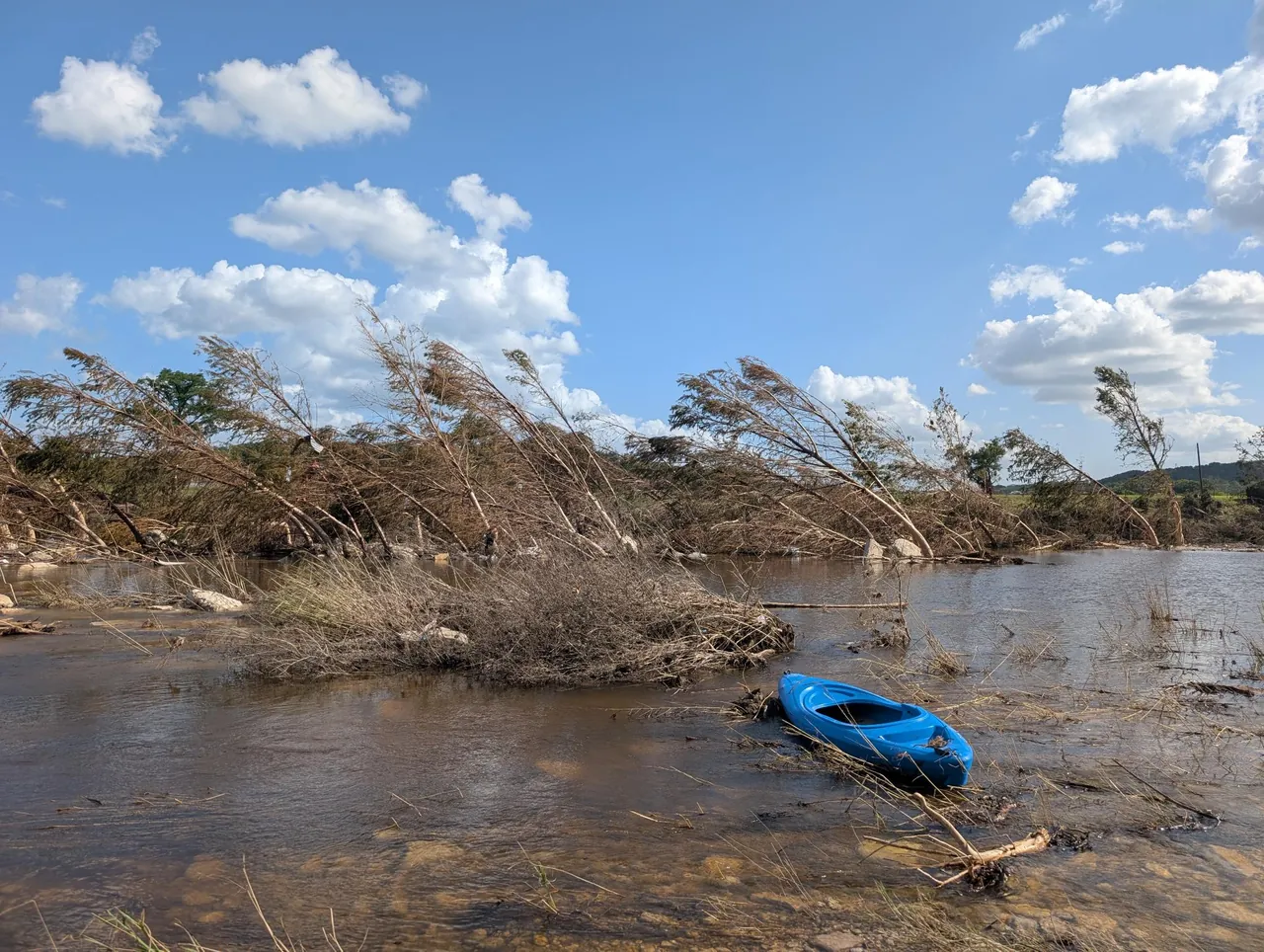
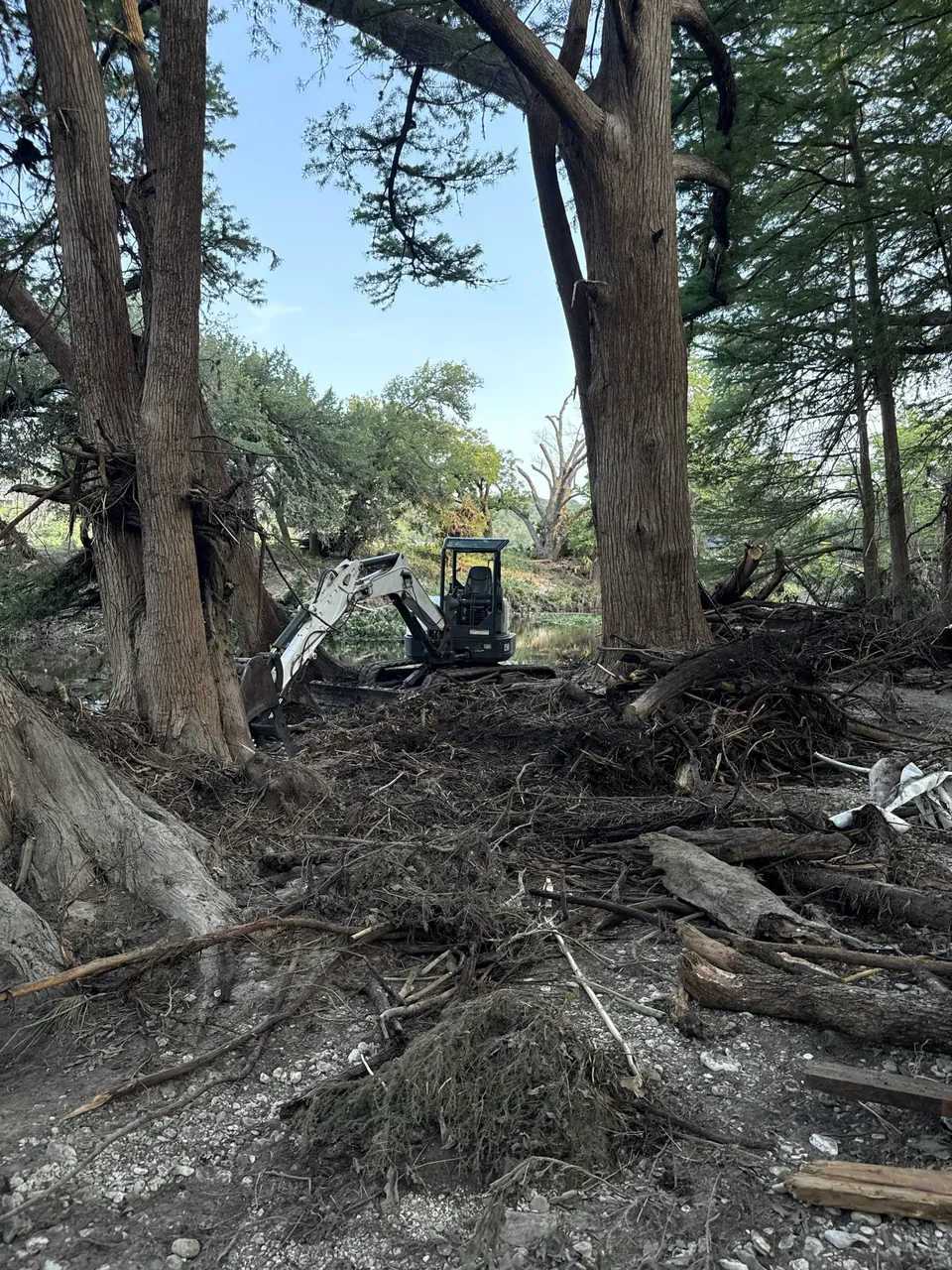
GPP helped coordinate individual teams arriving from across the United States into a working unit. Support included moving debris to improve access and assisting the wider response effort. This work augmented the agencies and personnel already operating in the affected community.
GPP also provided MEMI-related support involving first responders, volunteers and community members. The team reports strongly positive participant feedback and accounts of relief after sessions. These accounts are qualitative observations. No verified improvement percentage, clinical effectiveness rate or long-term outcome is claimed here. Session totals, measures and follow-up information will be added when compiled and reviewed.
Activity period: 2025-2026
Humanitarian support for displaced families in Burma
GPP participated in humanitarian aid work in Burma (Myanmar) throughout 2025 and 2026. The team's field account describes food assistance reaching hundreds of displaced families and refugees, support for temporary shelters, and help establishing a small clinic in a conflict-affected area.
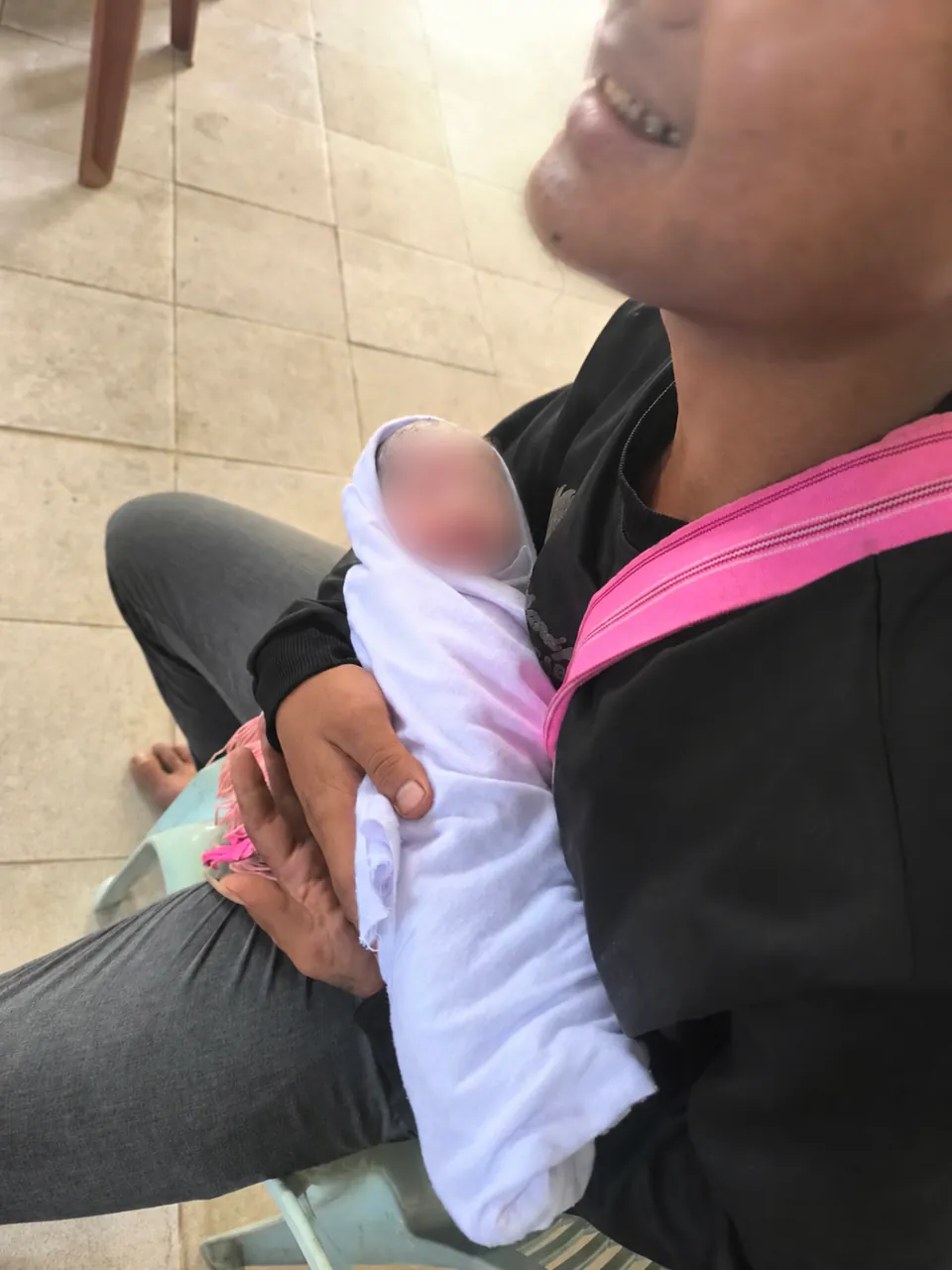
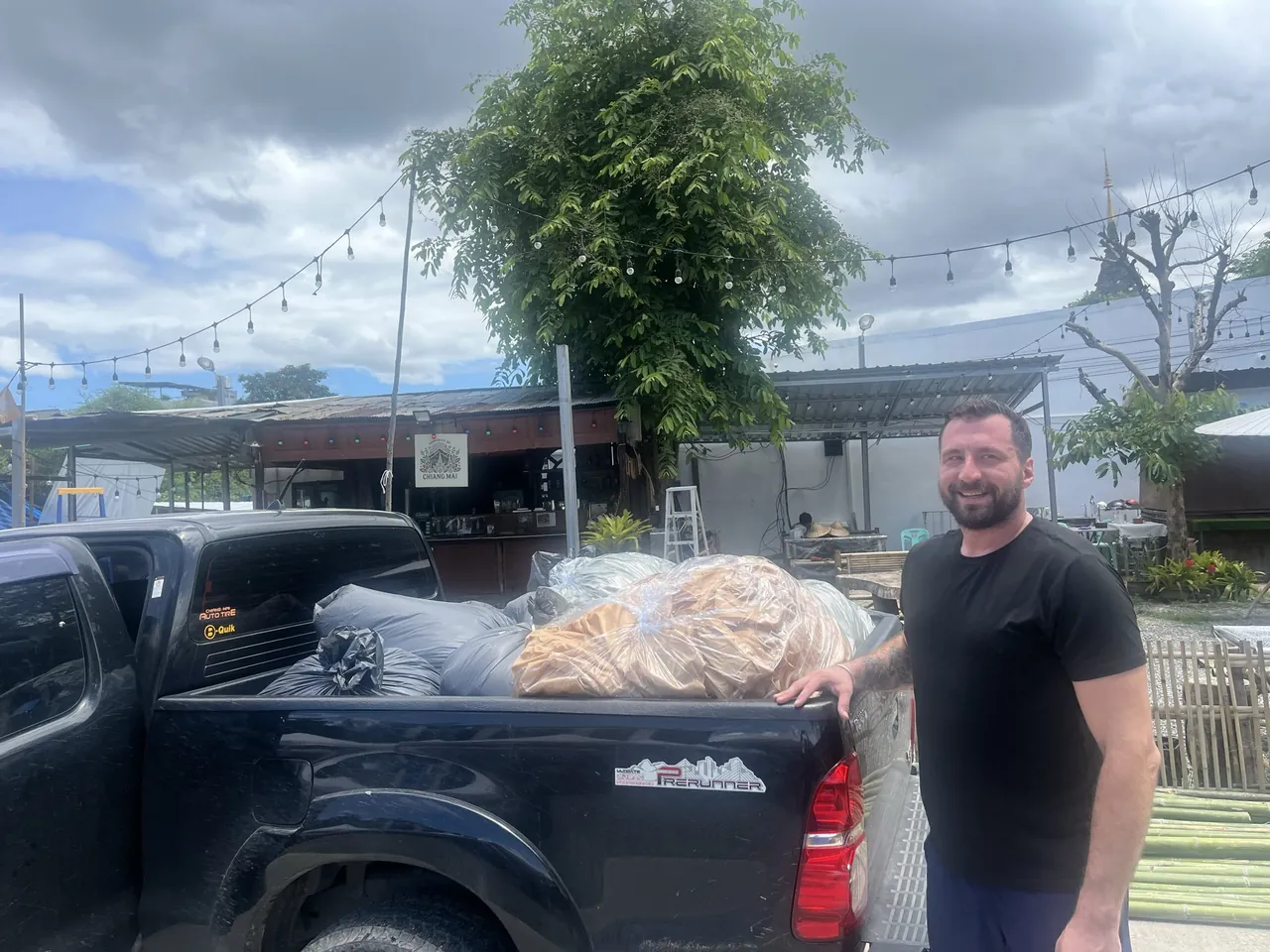
GPP also supported training in medical procedures for austere environments, where infrastructure, transport and access to supplies can be limited. Public updates describe the type of assistance and the communities served at a broad level. Names, precise locations, routes and operational details are withheld to protect families, local partners and personnel.
The reported family reach is an organizational field estimate. A detailed public mission ledger, verified household count and audited impact total are not presented here. GPP will share further aggregate information when it can do so responsibly.
Activity period: October 2023
From the service archive: training in Israel
The team's October 2023 deployment to Israel included Tactical Combat Casualty Care (TCCC) training and support with communications and safety training. The work focused on preparedness, practical emergency-care skills and coordination. These photographs come from the team's service archive.
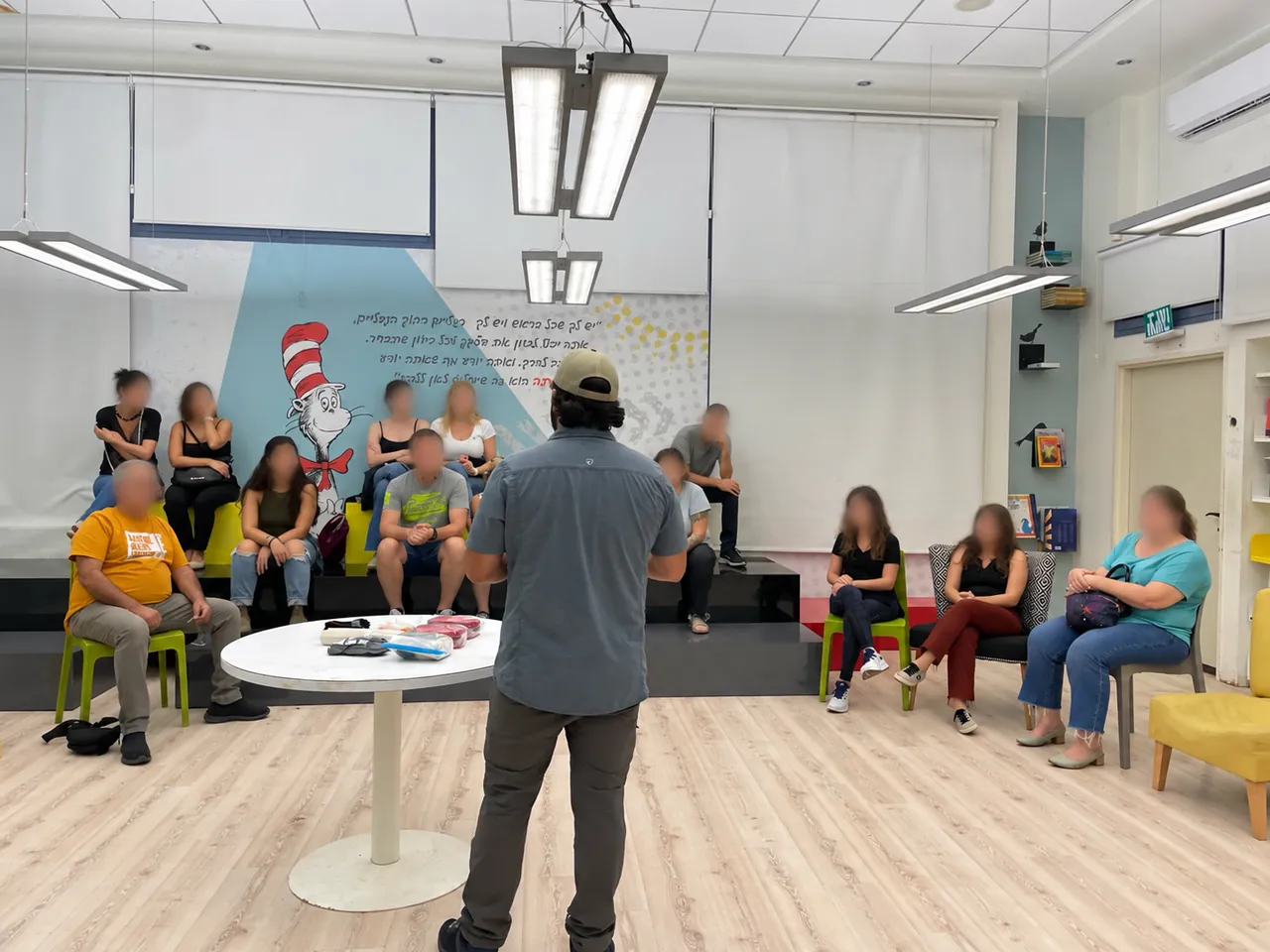
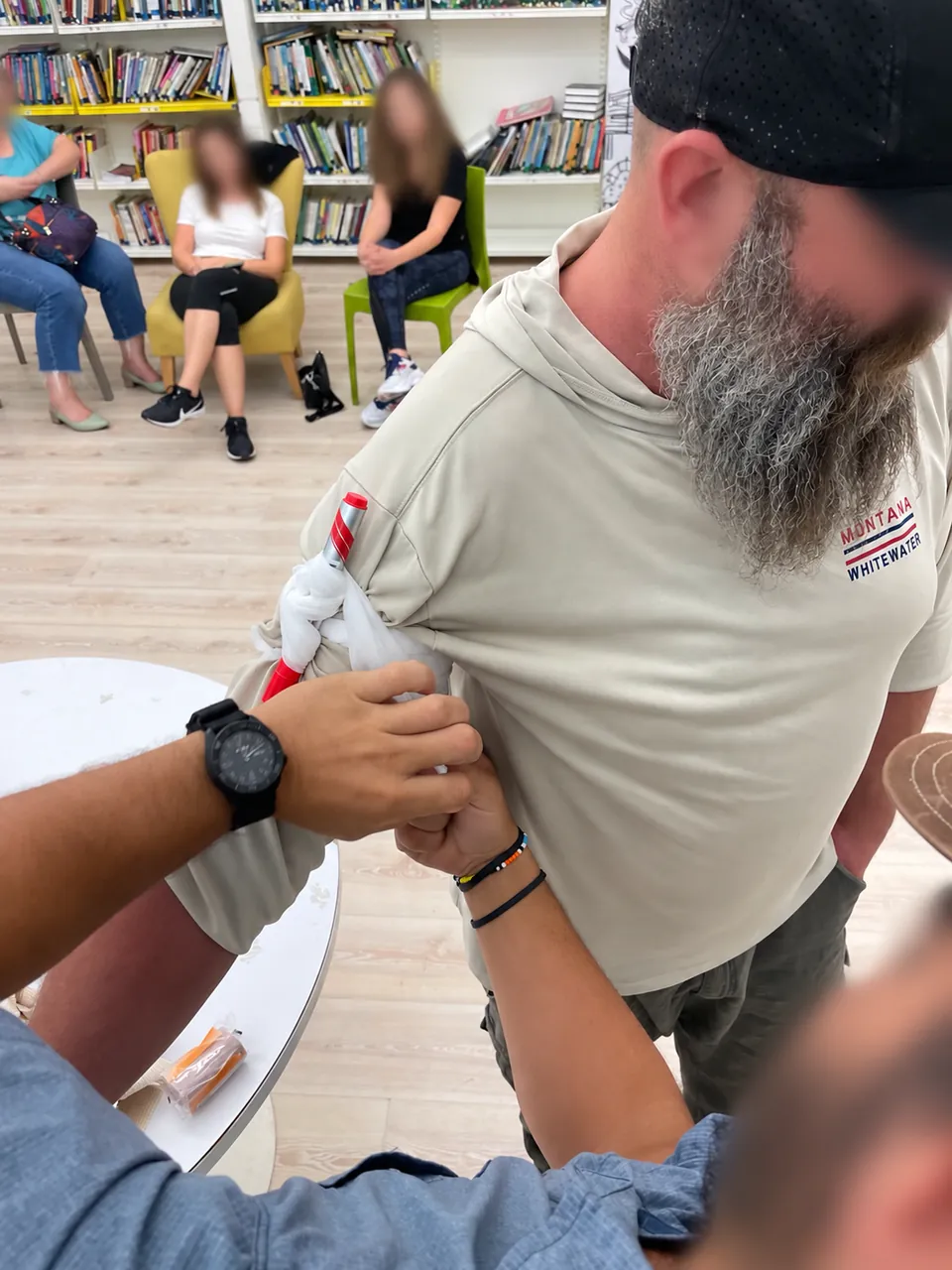
Participants practiced emergency-care skills through group instruction and hands-on demonstrations. Faces in the published training photographs are blurred for privacy. Contact GPP to discuss current training-support opportunities and requirements.
Activity period: 2024
From the service archive: food assistance in Matamoras
The team's 2024 Matamoras photographs document preparations for food assistance and the distribution of practical supplies. Volunteers packed rice into smaller bags, organized provisions and provided donated footwear.
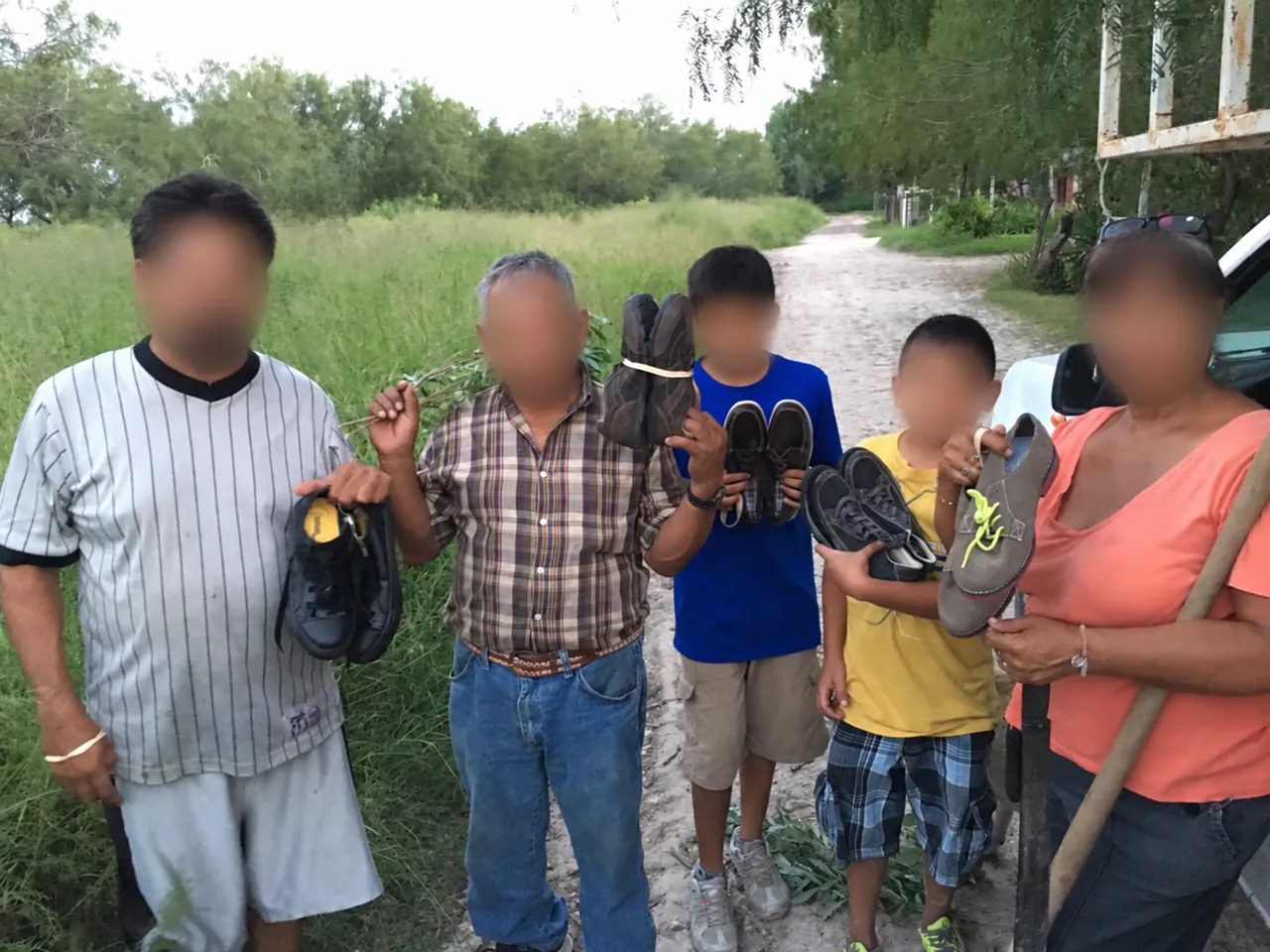
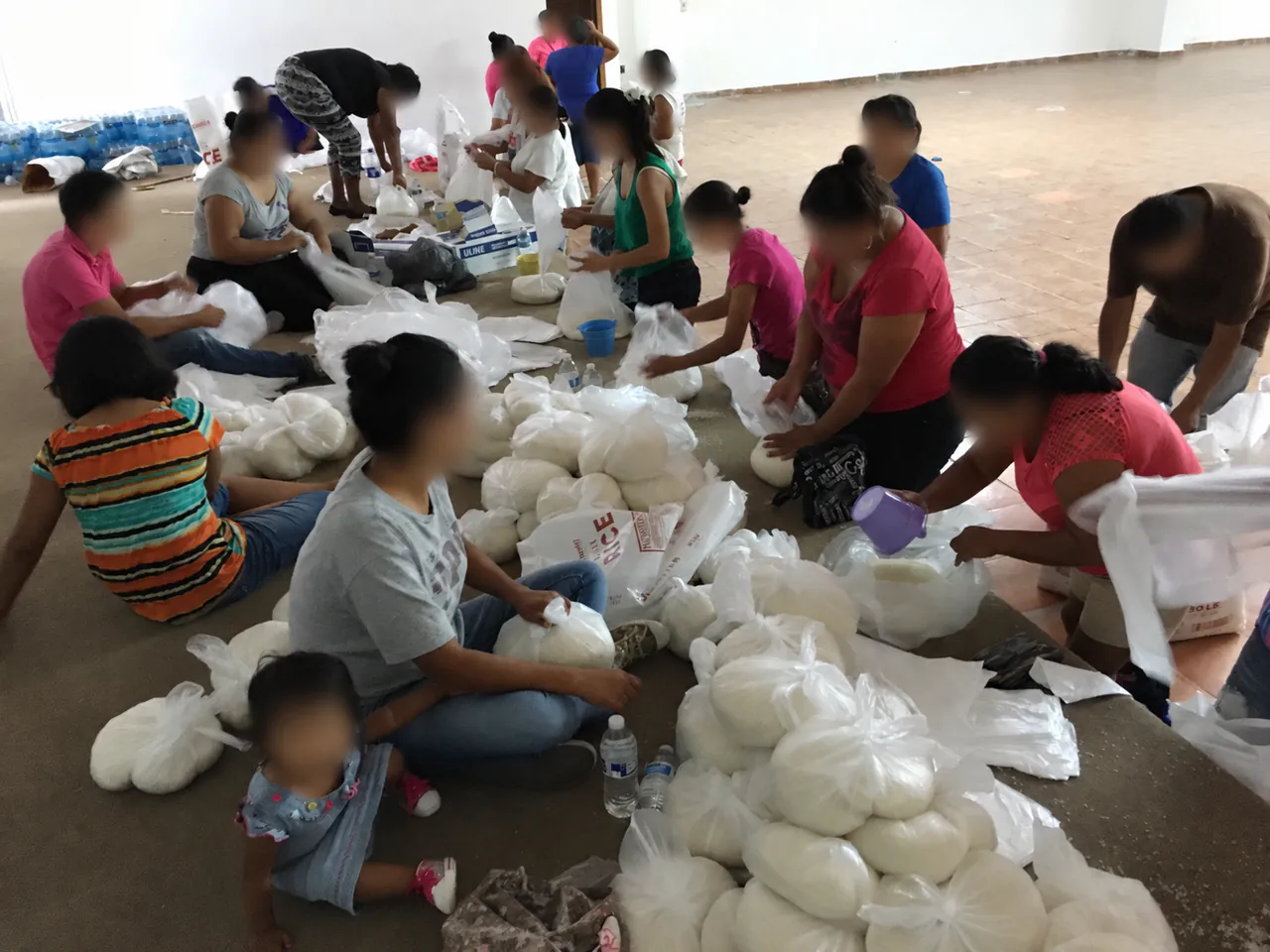
This service archive shows the practical work behind humanitarian assistance: organizing supplies, preparing distributions and responding to everyday needs. Faces in the people photographs are blurred for privacy.
Activity period: February 2026
GPP-sponsored first-responder training in Marietta
GPP sponsored first-responder MEMI training in Marietta, Oklahoma. Local news coverage describes the Love County training and participants' efforts to build additional peer-support options for people who regularly encounter trauma through their work.
Read the KTEN report and the KXII interview. News interviews and personal accounts are separate from measured program outcomes.
HC Solutions has also listed November 2026 training in Marietta. Confirm course dates, prerequisites, current availability and registration directly with the training provider.
Operational accounts and approximate participation figures are supplied by GPP. Linked news reports are identified separately. Individual experiences are not presented as controlled research or guarantees of benefit.
Global Provision Project
Website Terms of Use
Information about using GPP's website, contacting the team and following links to other providers.
Updated October 28, 2026.
Website Information
This website describes GPP's mission, programs and activities. It provides general information and initial contact options. Website content is not an individual clinical assessment, medical advice, legal advice or an emergency-response service.
Program and Volunteer Requests
Submitting a form begins a conversation. It does not confirm admission, a volunteer assignment, a clinical relationship, training certification or a deployment. Availability, eligibility, costs, scope, consent and any separate participation requirements should be confirmed with GPP or the relevant provider before participation.
Donations and External Providers
Autobooks provides the secure payment form linked or displayed on the donation page. Its payment terms and privacy information apply within its service. Contact GPP about gift questions, restrictions, receipts or a requested correction. A fundraising target is a goal and is not a report of funds already raised.
Privacy and Contact
Use the initial-contact forms without medical records, detailed trauma accounts, payment details, government identification or other sensitive documents. Read our Privacy Policy for collection and use details. Contact info@gpp.life with questions about the site or reuse of GPP materials.